

A CCTV Surveillance System is only as good as the cameras feeding images into that system. Whether a one-camera setup or an intricate multi camera network, your security system must utilize cameras designed for your specific needs. Understanding the variable factors which make up individual cameras is critical in determining which cameras to purchase, and this is where a qualified CCTV installer is vital.
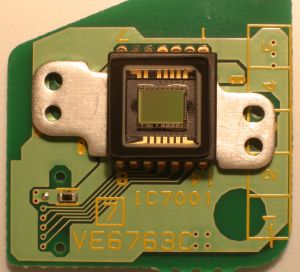
Chip Size
The two most common security camera types are CMOS, which stands for Complementary Metal Oxide Semiconductor, and CCD, or Charge Couple Device. Both types capture images using computer chips measuring 1/4, 1/3 or 1/2 inches. In general, larger chip sizes produce better image quality, with 1/3-inch chips serving as the industry standard.

Lens
A security camera’s lens determines the overall surveillance field. Larger lenses provide a narrower, more zoomed field of view, while smaller lenses offer a wider perspective. Typical lens sizes range from 3.6 mm to 18 mm. Lenses also come in either fixed or variable focal length and may be designed to work in low-light conditions. Consider camera location and environmental conditions when comparing potential lenses.

Resolution
A security camera’s resolution indicates the captured image’s detail level; cameras with high resolutions produce crisper, cleaner images. Manufacturers typically measure security camera resolution in TVL, which represents the number of horizontal TV lines. TVL provides a more accurate depiction of a camera’s resolution than the more common pixel measurements. Average security cameras feature resolutions between 300 and 400 TVL, while higher resolution cameras run upwards of 700 TVL. To get the most out such cameras, make certain your video recorders and display monitors can handle the high resolutions.

Wired vs. Wireless
Security cameras come in either wired or wireless models. Wired cameras are the most cost effective and also offer the best, most reliable video quality, because there is never a problem with signal interference. Wireless cameras are easier to install, making them ideal for residential use, but they’re more expensive and require some form of local power supply at the camera location.
Colour vs. B&W
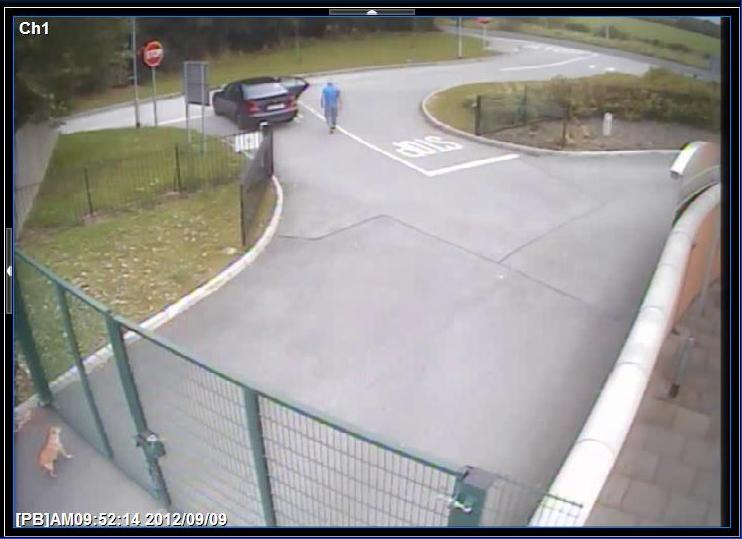
Continued technological advances have made colour security cameras far more affordable, positioning them as viable rivals to traditional black-and-white security cameras. Colour cameras provide more information, offering viewers greater detail when describing suspects. However, black-and-white cameras typically work better than colour cameras in low-light conditions, making them suitable for night time surveillance in residential areas. Allowing users to switch between colour and black-and-white recording depending upon light conditions.
PZT
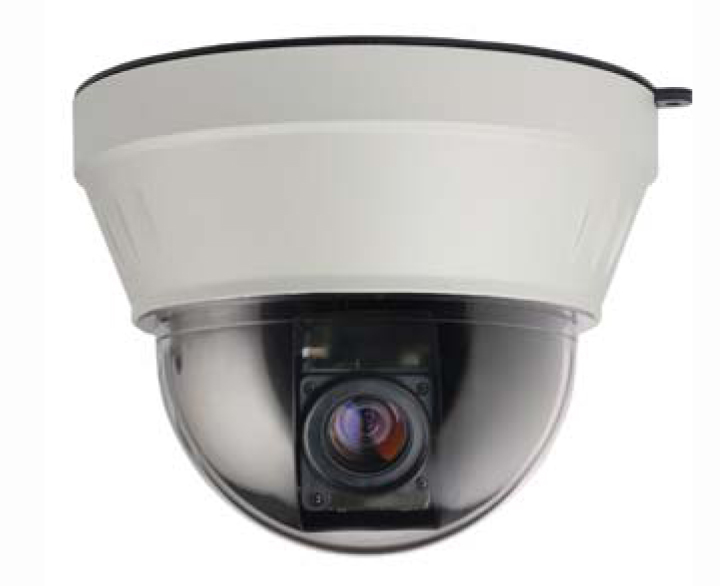
Law enforcement operations and high-risk environments such as casinos typically employ PZT cameras, which stands for Pan/Zoom/Tilt. These advanced features allow for greater visual coverage and enhanced image detail. The drawbacks for PZT cameras are they’re more expensive and require a skilled operator to actively control the cameras.
To view some of the CCTV solutions available at Intervid CCTV Click Here


